Nikolai Fyodorov on Resurrection
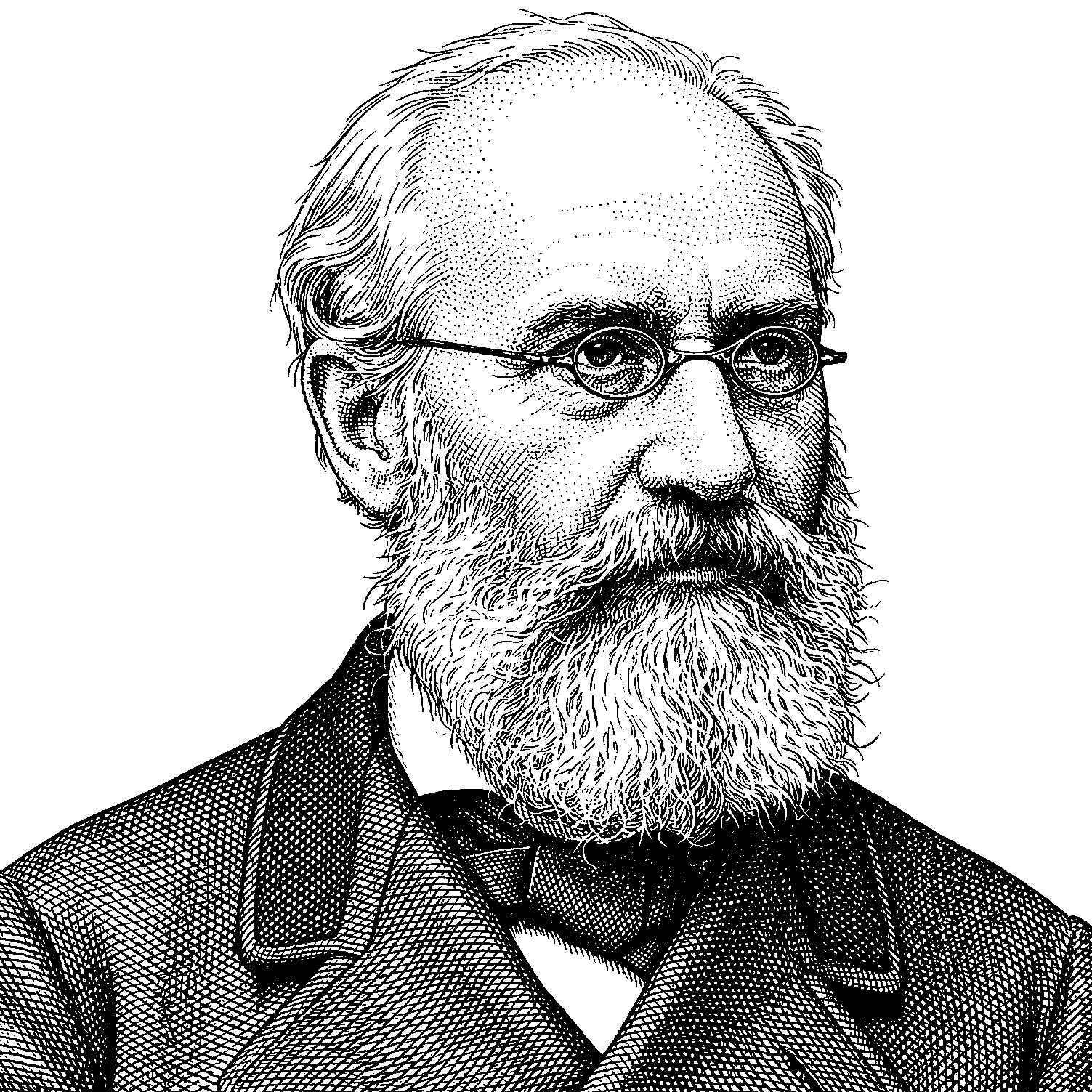
Nikolay Fyodorov
There is only one doctrine which demands not separation but reunification, which sets no artificial aims but one common task for all—the doctrine of kinship… Only this doctrine can provide a solution to the problem of the individual and the masses. Union does not absorb but exalts each individual, while the differences between individuals strengthen unity, which consists in (1) the realization by every person that he is a son, grandson, great-grandson or descendant, that is, a son of all the deceased fathers and not a vagrant in the crowd, devoid of kith and kin ; and (2) the recognition by each and everyone, together and not in disunity as in a mob, of one’s duty to the deceased fathers . . .
People are still minors, half-beings, whereas the fullness of personal existence, personal perfection, is possible. However, it is possible only within general perfection. Coming of age will bring perfect health and immortality, but for the living immortality is impossible without the resurrection of the dead . . .
The search for meaning is the search for a goal, a cause, a common task . . .
A common cause enables all to take part in religion, science and art, the object of which is to achieve the rehabilitation and a secure existence for all. In such a society there can be no question of the right to work, because it is the duty of all, without exception, to participate in it; nor can there be any question of those incapable of working merely receiving the means of subsistence, because part of the Common Task is to rehabilitate them or endow them with the abilities of which they are deprived . . .
Only love liberates, making duty towards others desirable and the implementation of that duty pleasant, something that is a burden but ardently longed for. Only love equalises, making those more richly endowed with abilities and strength sincerely anxious to serve the less fortunate. Therefore, love alone leads to brotherhood, whereas neither the liberty to satisfy one’s own whims nor envious equality can lead to fraternity . . .
Religion is the universal prayer of all the living in the face of suffering and death, a prayer for the return of life to all the deceased.