
Emile Durkheim on Syncretism
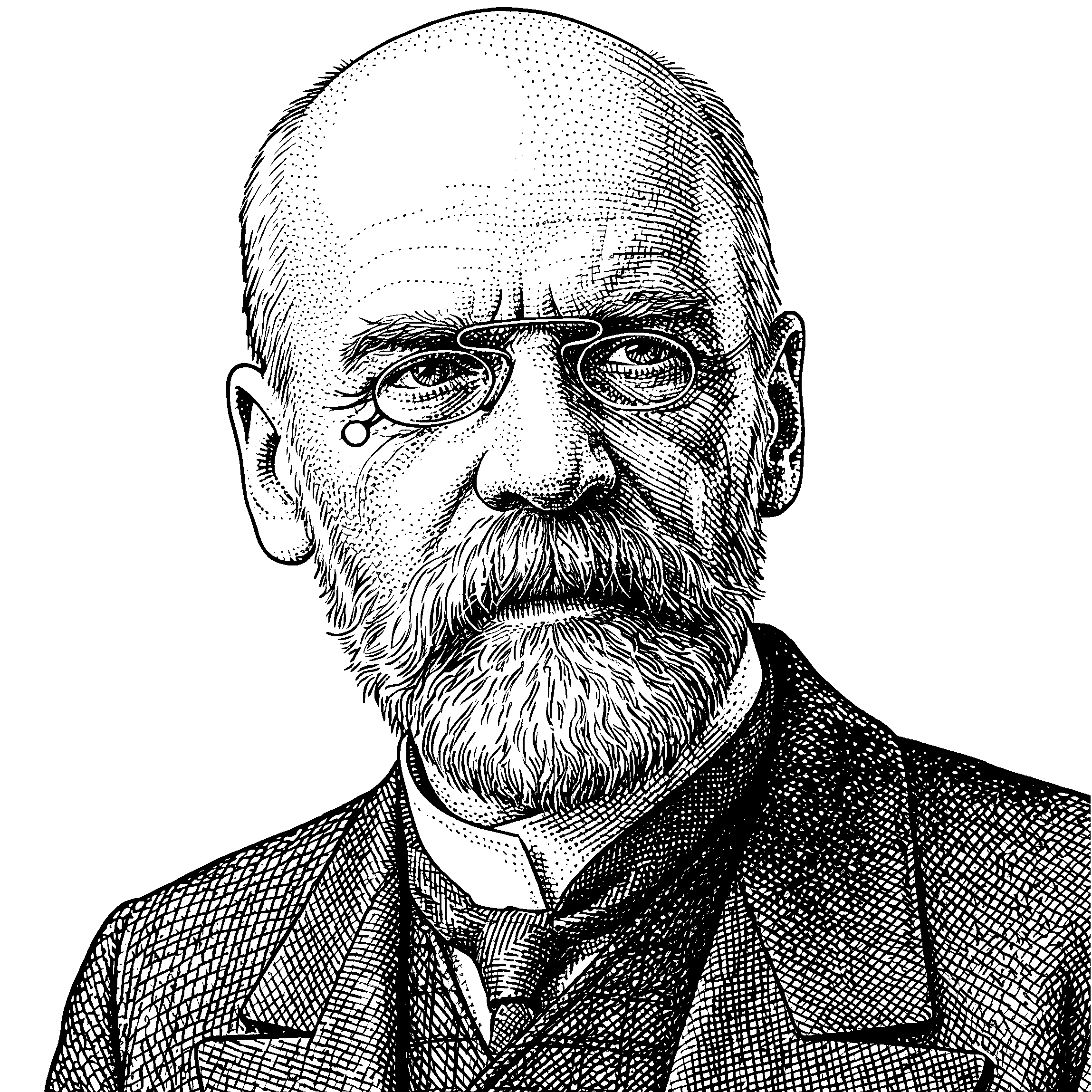
Emile Durkheim
This is what the conflict between science and religion is about. People often have an inaccurate idea of it. Some say that science denies religion in principle. But religion exists; it is a system of given facts; in short, it is a reality. How could science deny a reality? Moreover, insofar as religion is action, insofar as it is a human way of living, science could not possibly take its place, for it expresses life, it does not create it. Science can indeed seek to explain faith, but by this very fact it presupposes it. So there is no conflict except on one limited point. Of the two functions that religion originally performed, one exists, but only one, which tends increasingly to escape it: that is the speculative function. What science disputes in religion is not its right to exist but the right to be dogmatic about the nature of things, the kind of special competence it claimed for its knowledge of man and the world. In fact, religion does not know itself. It knows neither what it is made of nor what needs it satisfies. Far from handing down the law to science, it is itself an object of scientific study! And on the other hand, since apart from the reality to which scientific reflection applies, religious speculation has no proper object, religion clearly cannot play the same role in the future that it has in the past.
Yet it seems called upon to transform itself rather than to disappear. We have said that there is something eternal in religion, namely the cult, the faith. But men cannot celebrate ceremonies for which they see no rationale, nor accept a faith they cannot understand. To spread it, or simply to maintain it, one must justify it — in other words, generate a theory of it. A theory of this kind is, of course, bound to rely on various sciences from the moment they exist: first, the social sciences, since religious faith has its origins in society; then psychology, since society is a synthesis of human consciousnesses; and of course the natural sciences, since man and society are a function of the universe and can be separated from it artificially. But as important as these borrowings from the sciences might be, they would not suffice; for faith is above all an impulse to act, and science, even pushed to its limits, always remains at a distance from action. Science is fragmentary, incomplete; it progresses slowly and is never finished; life cannot wait. Theories that are meant to promote living and acting are therefore compelled to run ahead of science and complete it prematurely. They are possible only if the demands of practice and vital necessities, such as we feel without any clear perception, push thought ahead of what science allows us to confirm. Thus religions, even the most rational and secularized, cannot and will never be able to dispense with a very special sort of speculation that, while having the same objects as science itself, could never be properly scientific: in it, the obscure intuitions of sensation and sentiment often take the place of logic. On the one hand, this speculation resembles the kind we encounter in older religions; but on the other it is quite distinctive. While claiming to go beyond science, it must begin by knowing science and finding inspiration in it. Once the authority of science is established, it must be reckoned with; one can go further than science under the pressure of necessity, but science is the starting point. One can affirm nothing that science denies, deny nothing that it affirms, establish nothing that does not rest, directly or indirectly, on the principles borrowed from it. From then on, faith no longer exerts the same hegemony as before over the system of ideas that we can continue to call religious. It is countered by a rival power that, born from it, submits it henceforth to its criticism and control. And all indicators predict that this control will become ever more extensive and effective, with no possibility of assigning a limit to its future influence.