
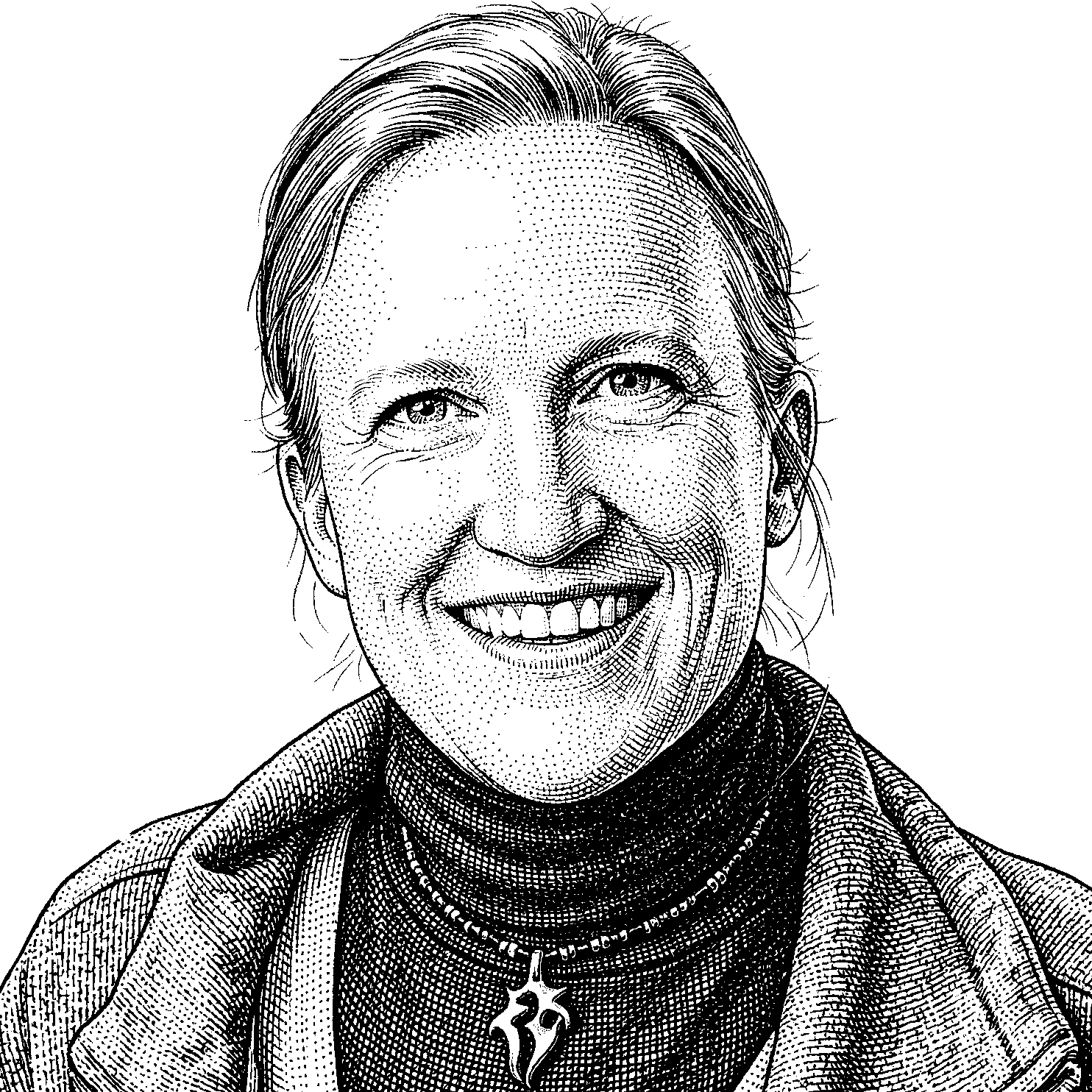
Nancy Fulda is an American computer scientist, researcher, and award-winning science fiction author who specializes in artificial intelligence and natural language processing. She holds both Bachelor’s and Master’s degrees from Brigham Young University. Her technical career began at the German Aerospace Center (DLR), where she worked on autonomous robotic systems. She later pursued doctoral research at the University of Utah, focusing on the cognitive aspects of human-machine interaction and the ethical implications of emerging technologies.
As a writer, Fulda has gained significant acclaim for her ability to make complex technical concepts relatable. Her fiction, including the Hugo and Nebula Award-nominated short story “Movement,” has been published in prominent magazines such as Asimov’s Science Fiction and Analog. Her literary work often explores the intersection of neurodiversity, machine intelligence, and the future of human consciousness, positioning her as an important link between rigorous engineering and speculative humanism.
Fulda is the founder of AnthroCloud, a venture aimed at developing intelligent systems that prioritize human agency. She has consistently advocated for a balanced understanding of machine learning, serving in various data science roles where she critiques both the utopian hype and dystopian alarmism surrounding AI. Her work emphasizes that while AI can analyze vast amounts of data, it remains a tool that requires human moral oversight and creative direction.
At the 2024 Mormon Transhumanist Association Conference, Fulda delivered the keynote address titled “Fact, Fiction, and Fantasy: Demystifying AI Hype in the Information Age.” She urged the audience to look beyond the "magic" of Large Language Models and understand their mechanical realities. Fulda argues that true progress lies in using technology to enhance, rather than replace, the human soul. Today, she continues to influence the field by advocating for a future where digital advancement and spiritual purpose coexist.