
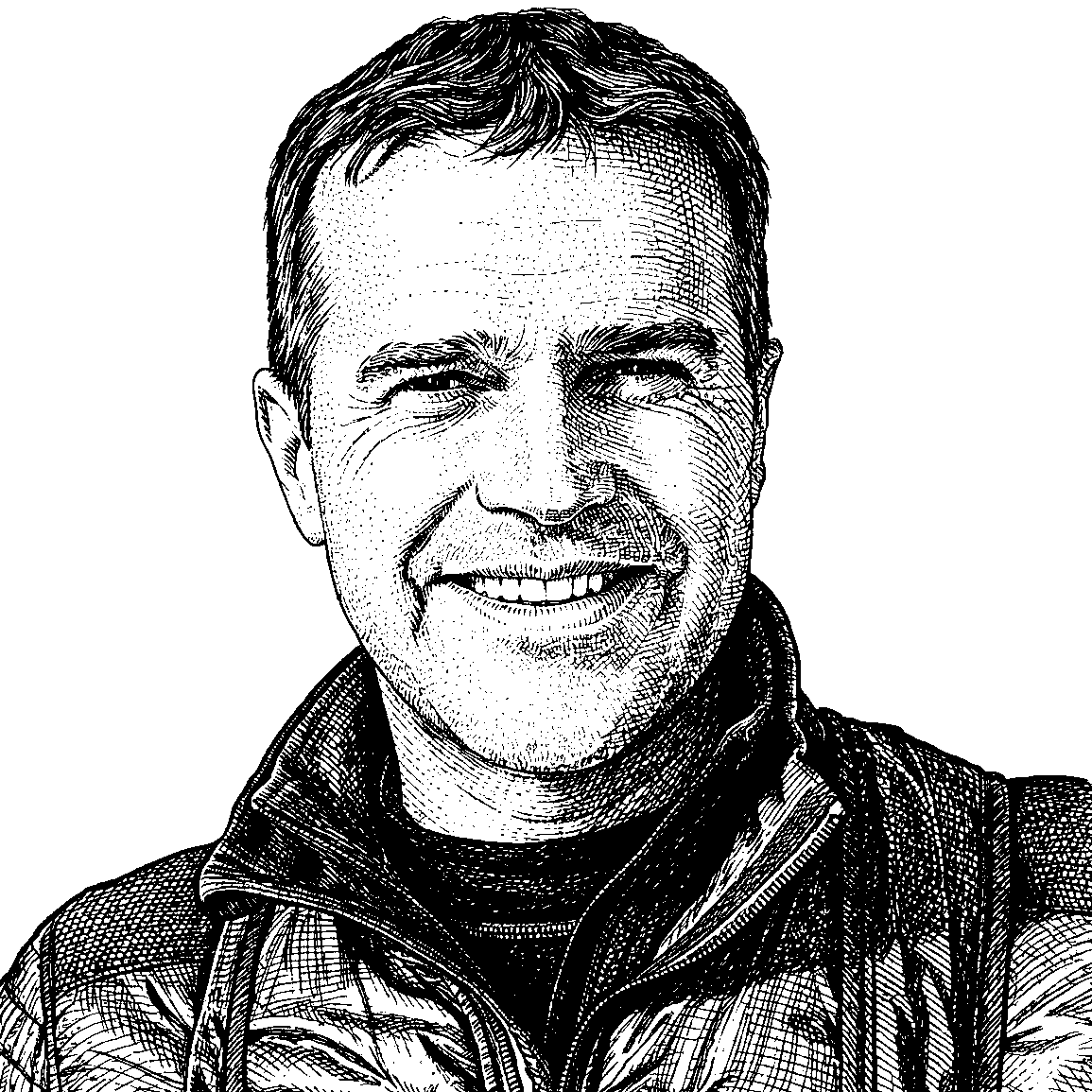
Luke Hutchison is a New Zealand-born computer scientist and researcher whose work explores the fundamental limits of computation, the architecture of biological systems, and the future of artificial intelligence. Known for his deep interest in the theoretical foundations of intelligence, Hutchison has spent his career at the intersection of high-performance computing and the quest to understand the nature of mind.
Hutchison’s academic journey began in New Zealand before he moved to the United States to pursue advanced studies at the Massachusetts Institute of Technology (MIT). There, he completed his PhD in Computer Science and Computational Biology. His doctoral research reflected a fascination with the "software" of life, utilizing computational methods to decode complex biological patterns—a precursor to his later work in artificial neural networks and machine learning.
Following his time at MIT, Hutchison joined Google, where he played a pivotal role in the company’s burgeoning AI initiatives. He co-founded a specialized AI research team within Google Machine Intelligence alongside renowned futurist and transhumanist Ray Kurzweil. During this tenure, he contributed to the development of technologies that bridge the gap between human language and machine understanding, helping to advance the capabilities of large-scale AI systems. Beyond his primary research, he is well known in the software engineering community as the creator of ClassGraph, a high-performance classpath and module scanner for the Java ecosystem.
Hutchison is a frequent contributor to the dialogue surrounding the future of humanity and technology. In his presentation at the MTAConf 2024, titled “Is Intelligence Bigger than Computation?”, he challenged the prevailing materialist assumption that the human mind is merely a Turing-complete computer. Drawing on concepts from physics, information theory, and philosophy, he explored whether true intelligence requires a substrate that transcends traditional algorithmic computation, touching upon themes of consciousness and the potential for technological transcendence.